A climb mechanic sits at the center of Play’n GO’s latest release
Play’n GO has introduced Tower Run Treasure Steps, a release that pairs a familiar cascading grid with a vertical progression system rather than conventional reel play. The studio adds this new slot to an already impressive portfolio, expanding further with a title that follows aspiring knight Bob as he sets out to slash his way through witches, mythological creatures, and the hordes of the undead.
The news here is less about the fantasy theme than about how the studio structures play. The title runs an ascent-based framework. It tracks a character climbing a tower, a format that leans more on progression than on a single spin outcome.
How the vertical structure changes the base proposition
Mechanically, the game sits on a cluster-style foundation. Bob dashes across a 5-by-5 cascading grid, and matching symbols pay anywhere on the grid. That pay-anywhere layout is standard territory for the provider; the layered climb is what sets this release apart.
The central hook is the step-based progression. As Bob moves up the game level, new challenges emerge with every step he takes. For every 18 steps he does, Bob is rewarded with a multiplier win that varies.
Supporting that structure is a package of multiplier and hold-style modifiers. These include the Rift and the Dimensional Multiplier, while more awaits in the Treasure Room, with Sticky Coins and Mimic Chests that appear during the Hold & Spin Feature. A player-elected boost also scales reward potential, with a global 2x multiplier that amplifies winnings anywhere on the grid, scaling to a 5x permanent value.
For the reader, the significance is structural. Payout potential is tied to sustained progression up the tower rather than concentrated solely in a traditional bonus trigger.
What the release signals about Play’n GO’s direction
The title fits a recognizable pattern in Play’n GO’s output, where a repeatable character and an animated layer sit on top of the core math. The studio leans heavily into the gamification factor, offering players the chance to track Bob on his climb to the top of the tower, with his steps interspersed by fresh challenges and awards.
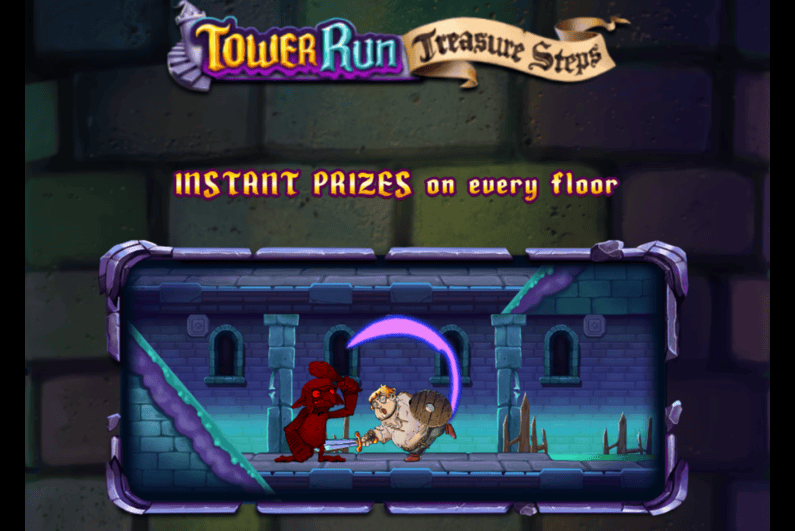
That character-forward framing is central to how the studio positions this release. A separate headline screen follows Bob as he comes head-to-head with a rattling skeleton and slashes at him to clear the path up the tower, while the game is played on the grid below.
Bob is easy to root for: he has a glowing sword, a good heart, and rather more enthusiasm than experience
Games Ambassador Magnus Wallentin framed the appeal around that personality-led design, saying: “Bob is easy to root for: he has a glowing sword, a good heart, and rather more enthusiasm than experience. Put him in a tower full of monsters and the adventure has a lovely sense of mischief.”
The approach points to a provider that keeps differentiating within a crowded cascading-grid market through narrative progression and vertical scaling rather than a new core engine. For operators, it adds another gamified, session-oriented title to a catalog that already trades heavily on recognizable mechanics and characters.