Poker in Paris in the 1920s
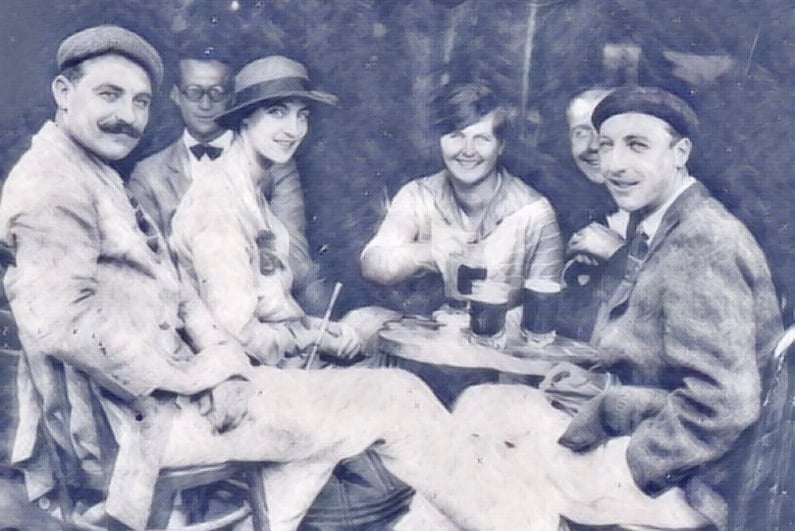
Clean light over the Seine. Frost on the cobbles before dawn. Paris in the 1920s was a place where you could live cheaply if you were prepared to live meagrely. For the young American writers who arrived with manuscripts in their cases and more faith than francs in their pockets, that was enough. They rented small rooms and slept in small beds. The mornings were for working, the afternoons were for walking and the nights were for wine, conversation, and cards.
In those rooms, poker felt less like diversion and more like a test
Far from the gilded ceilings of formal gambling rooms, hands were dealt on kitchen tables scarred by ink and cigarette burns. The buy-in was modest but the mood was anything but. Men were pared down to nerve and bone, always competing for more than the few coins at stake. In those rooms, poker felt less like diversion and more like a test.
When Ernest Hemingway wrote of those years in A Moveable Feast, he wrote of hard work, hunger, and the discipline required to turn feeling into form. The same discipline behooves one well at the poker table. Those men who spent their mornings trying to distil essential truths would spend their evenings trying to call bluffs. He noted that there is something brutal about poker among the underfunded. Chase every draw and you will have to skip dinner. Tilt and you will be late with the rent.
Fear of failure
Picture it plainly. A single lamp, smoke hanging low, and three artists huddled tightly around a small table. A deck of cards is shuffled with care while tannin-stained lips blurt goading obscenities with disregard. A painter, a reporter, and a writer, all ambitious and all afraid. Not of each other, but of failure. Of returning home unnoticed. Of slinking into irrelevancy. Of growing old without having made something that lasts.
Around this table, that fear sharpens into calculation. Fight or flight? Who will find an edge? Who will press that edge? Who will retreat? And because this is poker, who understands the difference between patience and passivity? Poker reveals character the way cold weather reveals breath.
You learn quickly who can endure when the Poker Gods frown
The Surrealist who lectures about artistic courage may shrink when faced with a large bet. The investigative journalist may slide his stack forward with nothing but air but be prepared to hold a stare. The novelist who is developing a theory of omission may deploy a speech play designed to feign weakness. You learn quickly who can endure when the Poker Gods frown.
Poker as a mirror
Bridge was played too, mostly in the early evening. A game of partnerships, signals and polite conventions, it suited respectable company and those who believed in structure. Poker was different. Every man for himself, it made rivals of friends and friends of rivals. There is no shared victory in poker but there is a shared understanding and, for a generation of writers competing for column inches and book contracts, that solitude felt familiar.
In the pâtiseries and boulangeries, Hemingway and others sparred as comrades about art and politics but, around the poker table, the logic of their arguments were refined to calls, raises, and folds. The game offered a way to express ambition without open quarrel, a sandbox in which to play and get messy.
Hemingway learned to cut until only what was necessary remained
Poker was also a mirror for these artists. Ideas from life were projected onto it but quintessential elements of the game were reflected back. A bluff, for example, is a story told under pressure. You represent strength. You ask to be believed. If your opponent senses doubt, the story collapses. If you overstate your case, you invite suspicion. It is all about proportionality and writing is no different. You present a world and ask the reader to inhabit it. Too much adornment and the illusion shatters. Too little conviction and the page lies flat. Hemingway learned to cut until only what was necessary remained. In poker, that means betting what must be bet and no more.
Poker in Paris in the 2020s
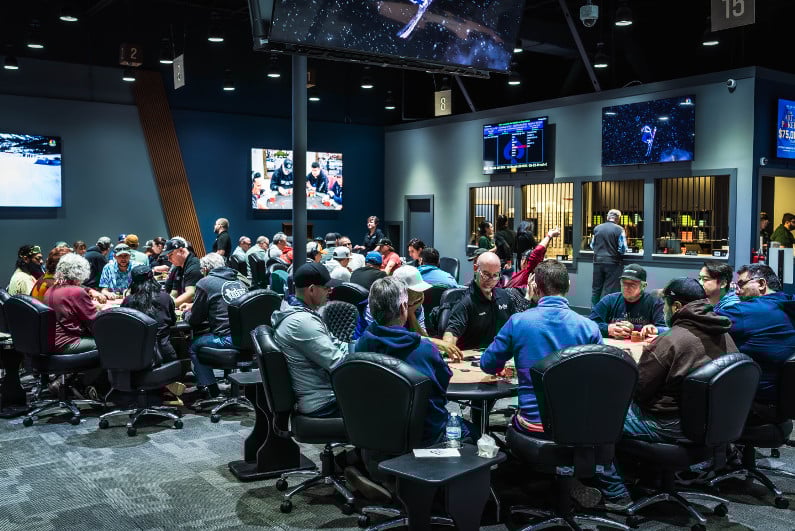
Now, just as you pictured the smoky room and the stacks of coins, how you imagined the desperation and the bravado, envision for me Paris today. The Eiffel Tower lights glimmering over the Seine. The cobbled stones slickened by the ice. The cafés humming but, now, with chatter in a dozen languages. Poker is still being played but not in the half-light, behind closed doors. This week and next, the PokerStars European Poker Tour (EPT) comes to the Palais des Congrès, a Convention Centre standing on the land where Hemingway would have witnessed the demolition of the Thiers Wall Fortifications a hundred years ago.
There will be plenty of hunger and ambition on show
Chips will be riffled, cameras will be on, and the stakes will be enormous. Yet look closer and there will be familiarities. Players hunched over tables, their eyes narrowing, brows furrowing, nerves tested as they try to distil truths. There will be plenty of hunger and ambition on show. The game may have grown but the human element remains.
A century might separate the kitchen-table games of the Lost Generation from the modern tournament stage, but the rhythm is the same: calculate, wait, risk, and endure. Paris might have changed, the players might be cut from a different cloth but the spirit of 1920s poker lives on, quiet beneath the noise, resilient as ever.